Market Guides
Plain-language explainers for the indicators on the dashboard.
A growing library of plain-language guides to the core ideas behind reading markets: stocks, FX, commodities, crypto, bonds and macro. Each one explains what an indicator is, why it matters, and how to read it alongside the dashboard.
Stocks (6)
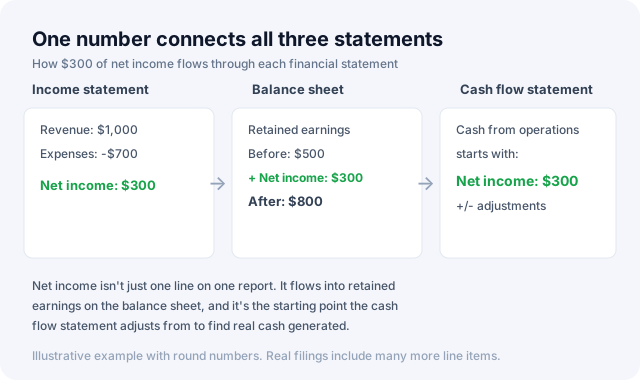
- 2026-09-20How to Read Financial Statements: The BasicsWhat the income statement, balance sheet, and cash flow statement each show, and why companies report three separate statements.
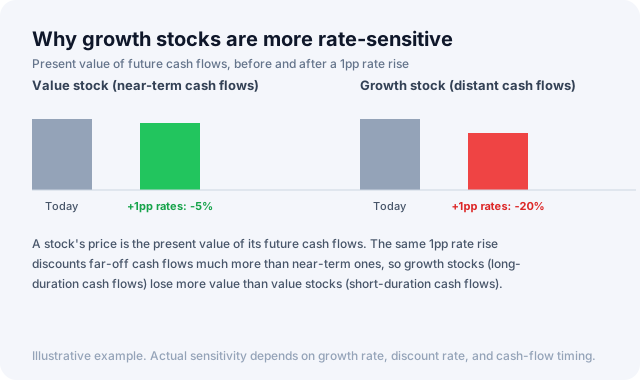
- 2026-08-30Value vs Growth Investing: Two Styles ExplainedWhat separates value and growth stocks, why their valuations react differently to interest rates, and a side-by-side comparison table.
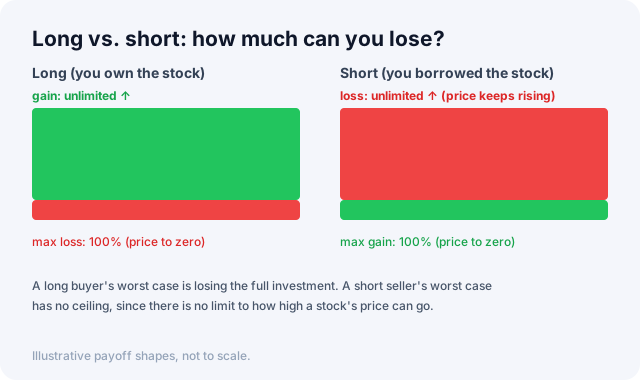
- 2026-08-16Short Selling Explained: Mechanics, Risk, Short SqueezesHow short selling actually works, why its loss potential is unlimited, what a short squeeze is, naked shorting, and Korea's 2025-2026 short-sale rules.
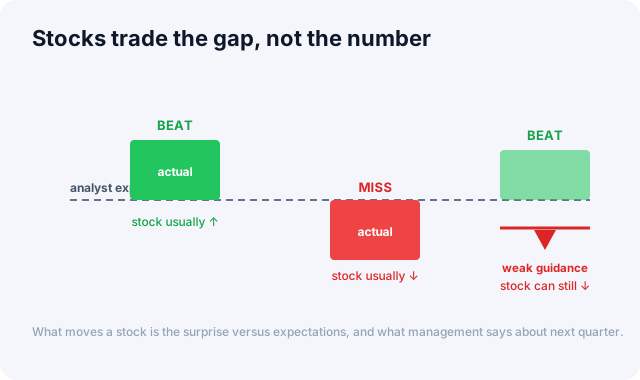
- 2026-07-13Earnings Season: How to Read a Report Without Getting FooledWhy a stock can fall on a great quarter, what beats and misses mean, which numbers matter beyond EPS, and why guidance moves price.
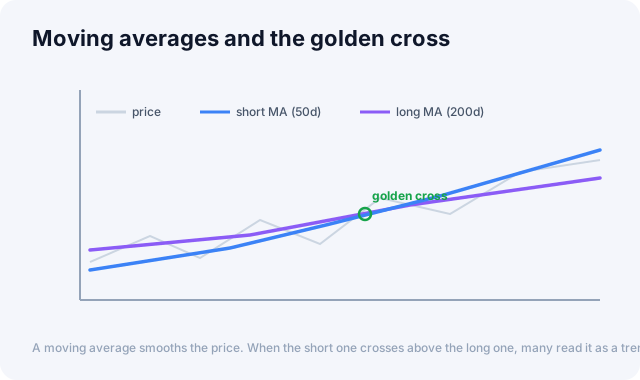
- 2026-07-13Technical Analysis Basics: Moving Averages and RSIA beginner's guide to moving averages and the RSI: what the golden cross and overbought mean, and why signals are clues, not proof.
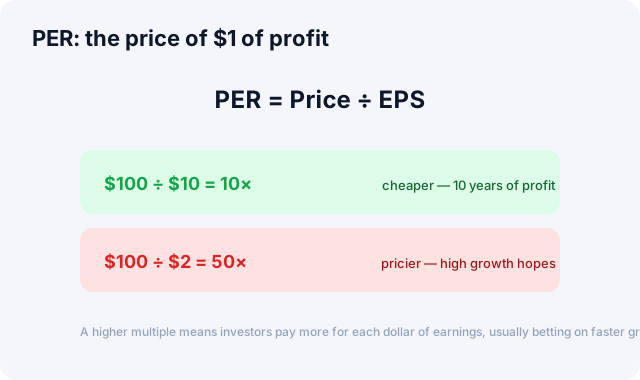
- 2026-06-16Stock Valuation Basics: P/E, P/B, PEG and Dividend YieldWhat P/E, P/B, PEG and dividend yield mean, and how to combine them to gauge whether a stock is cheap or expensive.
Crypto (5)
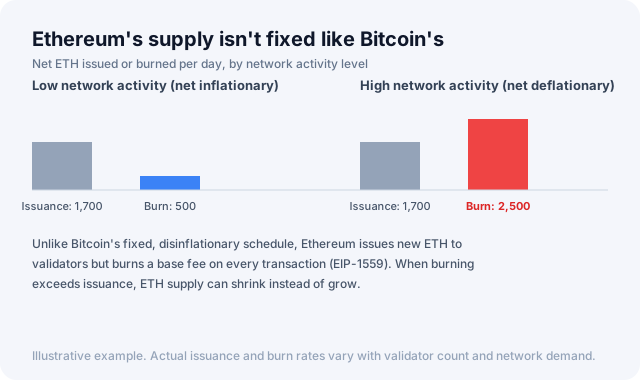
- 2026-09-13Ethereum and DeFi Basics ExplainedEthereum's smart contracts and supply structure, plus the core concepts behind DeFi: collateral ratios and liquidation.
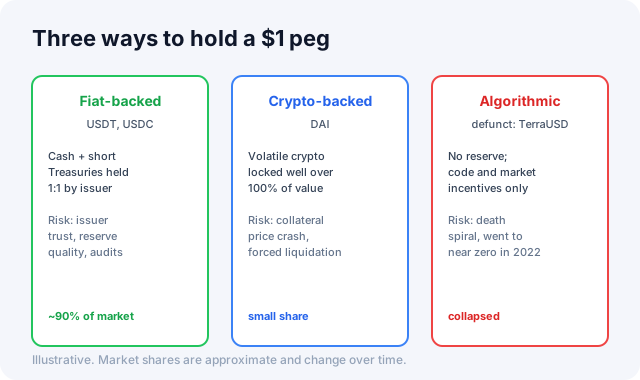
- 2026-07-26Stablecoins Explained: Types, Risks, and the GENIUS ActHow USDT and USDC hold their peg, what each stablecoin design risks, the Terra collapse, and the new U.S. GENIUS Act framework.
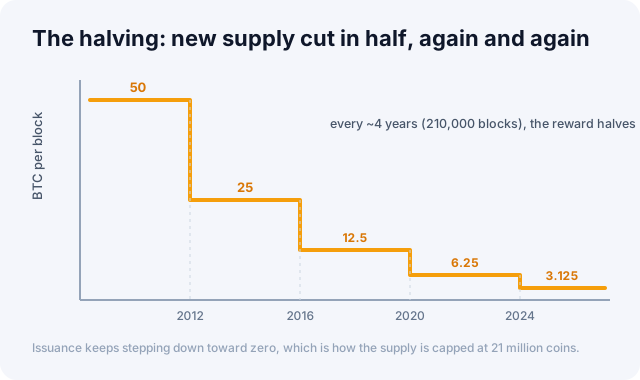
- 2026-07-14Bitcoin Halving: The Supply Shock That Sets the CycleWhat the halving is, why cutting new supply in half matters, what past cycles really show, and why demand still decides the price.
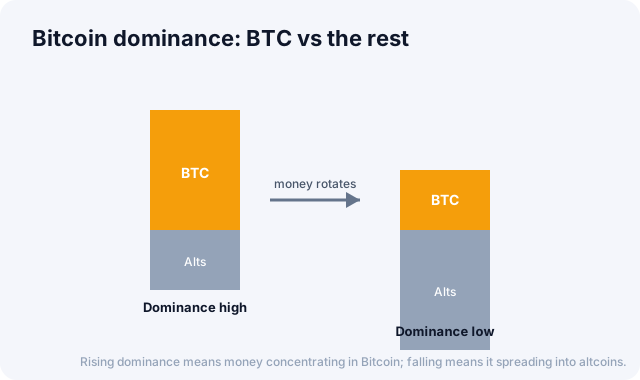
- 2026-06-19How to Read Crypto Market Cap and Bitcoin DominanceWhat crypto market cap means, what Bitcoin dominance says about the market regime, how to read altcoin season, and stablecoins.
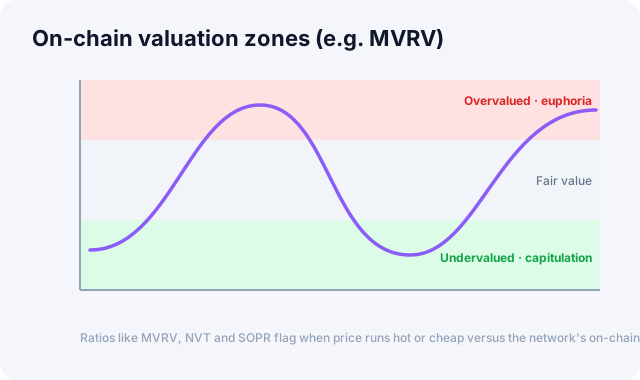
- 2026-06-08Bitcoin On-Chain Indicators: MVRV, NVT, and SOPRReading Bitcoin's over- and undervaluation from blockchain data: the MVRV Z-score, the NVT ratio, and SOPR, and how to interpret each.
Volatility (3)
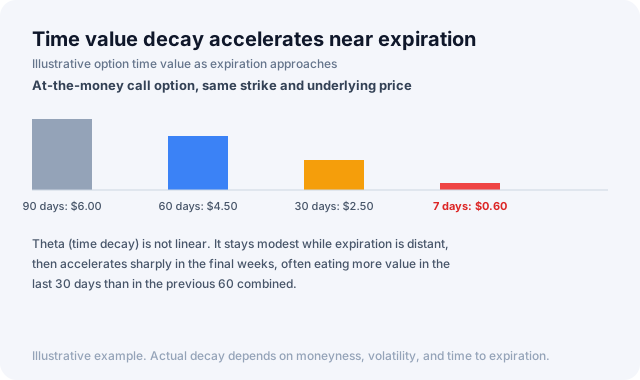
- 2026-09-06Option Greeks Explained: Delta, Gamma, Theta, VegaWhat the four option Greeks (delta, gamma, theta, vega) measure, why they matter, and how to read them with real numbers.
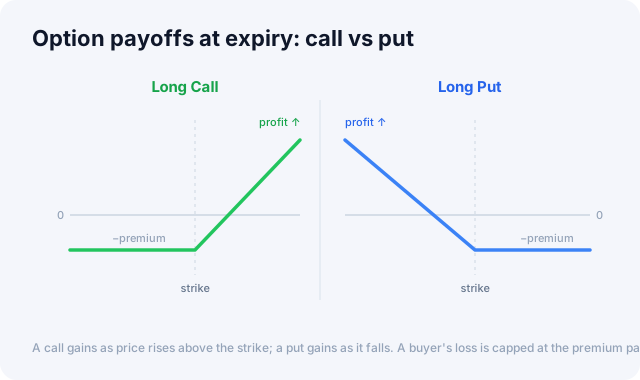
- 2026-07-16Options Basics: Calls, Puts, and How They Price RiskWhat a call and a put are, how options make or lose money, why time and volatility drive their price, and how implied volatility connects to the VIX.
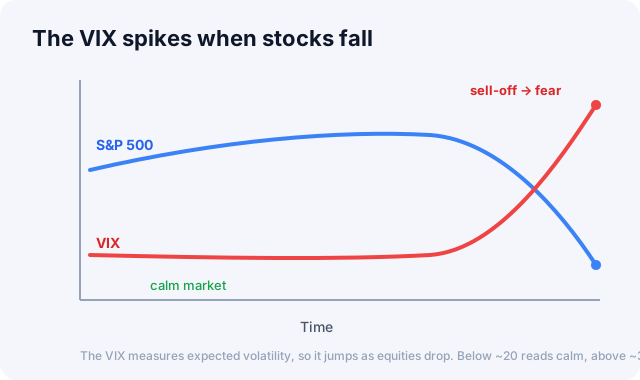
- 2026-06-10A Complete Guide to the VIX: Reading the 'Fear Index'What the VIX measures, why it's the 'fear index,' what high and low readings mean, its limits, and how to read it in practice.
Investing basics (11)
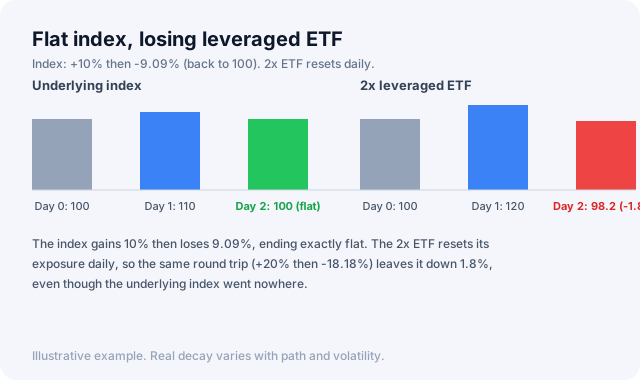
- 2026-08-23Leveraged and Inverse ETFs: Why Holding Long-Term Is RiskyHow leveraged and inverse ETFs reset daily, why volatility decay happens (with real numbers), Korea's leveraged-ETF boom, and its new 2026 safeguards.
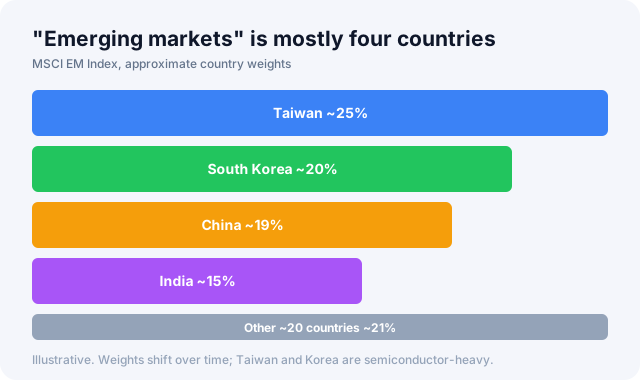
- 2026-08-02Emerging Markets Investing: Opportunity, Risk, DollarWhy emerging markets attract investors, what the MSCI EM Index actually holds, its tight link to the dollar, and the risks worth knowing first.
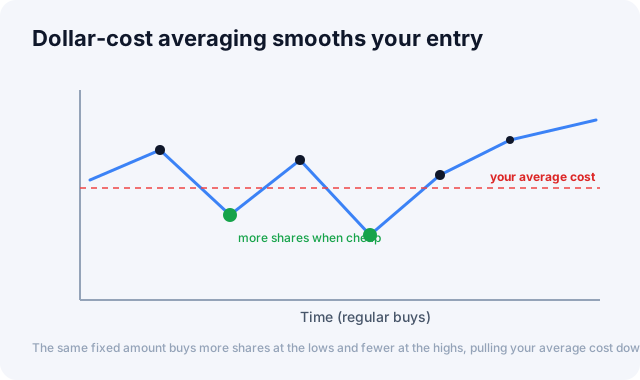
- 2026-07-16Dollar-Cost Averaging vs Lump Sum: Which Actually Wins?How dollar-cost averaging works, why it lowers your average cost, what the research says about lump-sum investing, and when each fits.
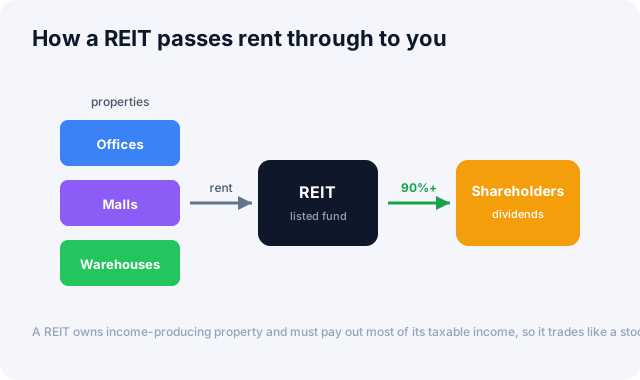
- 2026-07-15REITs Explained: Real Estate Without Buying a BuildingWhat a REIT is, why it pays such high dividends, the main types, how rates affect it, and the numbers to check before buying.
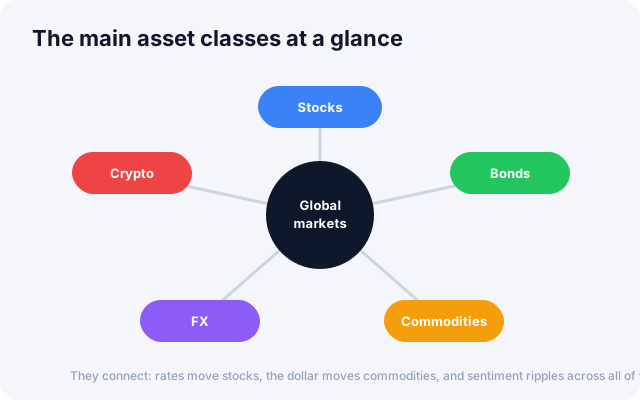
- 2026-06-22Getting Started with Global Markets: What to Look at FirstStocks, rates, FX, commodities, crypto and sentiment for beginners: what each asset is, how they connect, and what to learn first.
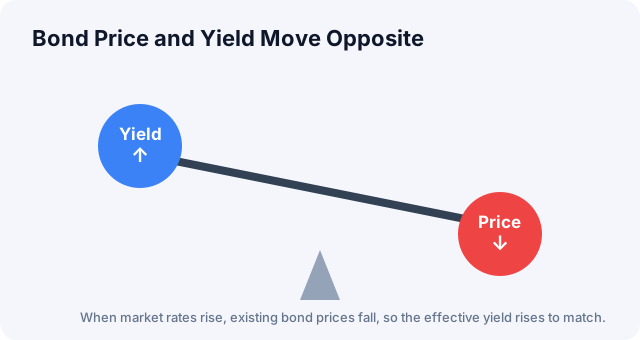
- 2026-06-21Bond Basics: Why Price and Yield Move in Opposite DirectionsHow a bond works, why price and yield move inversely, how maturity, duration and credit rating shape risk, and the role bonds play.
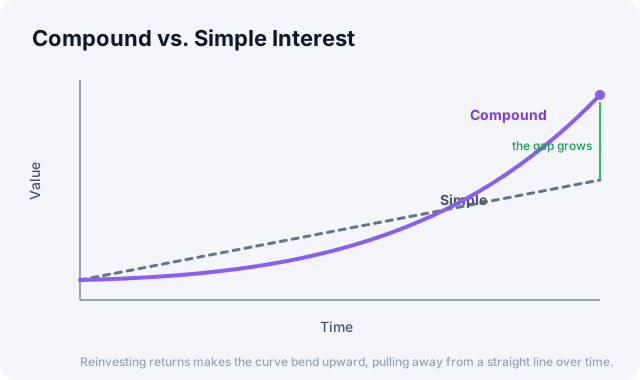
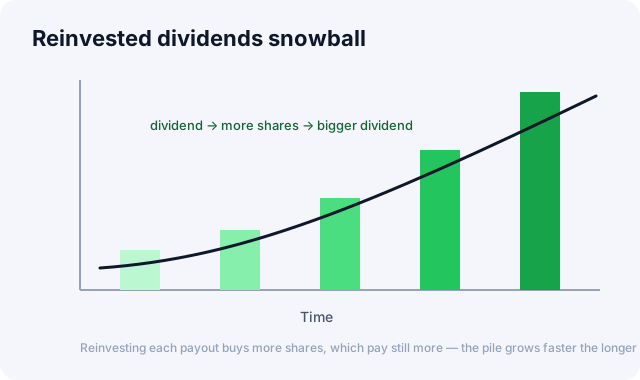
- 2026-06-21Compound Interest and Long-Term Investing ExplainedHow compounding differs from simple interest, the Rule of 72, how time and reinvestment build wealth, and what erodes it.
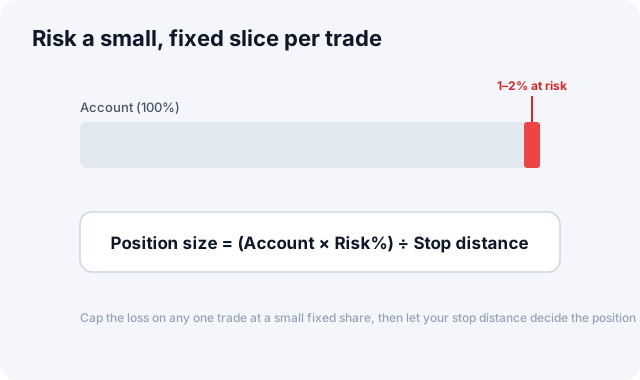
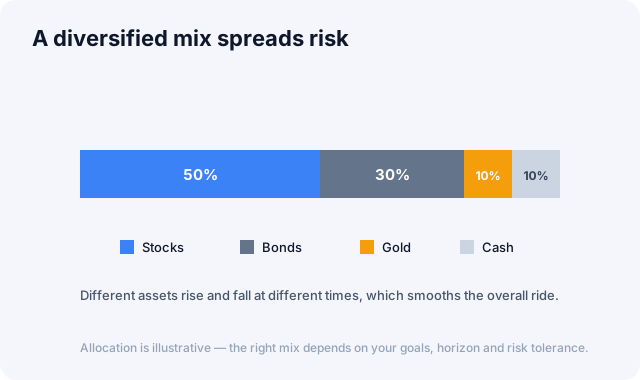
- 2026-06-21Risk Management: Diversification, Position Sizing, StopsThe risk basics to settle before chasing returns: the asymmetry of losses, diversification, position sizing, stops, and rules.
- 2026-06-18Dividend Investing: Yield, Payout Ratio and GrowthWhat dividends are, how to read dividend yield, payout ratio and dividend growth, ex-dividend dates, and the high-yield trap.
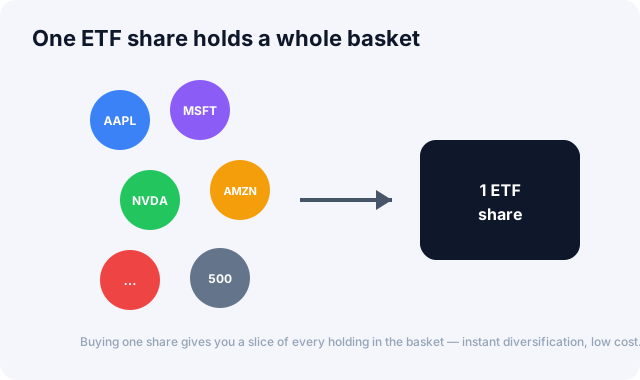
- 2026-06-16What Is an ETF? Index, Sector and Thematic ETFs ExplainedWhat an ETF is and how it differs from funds and single stocks, the main types, and the fees and liquidity to check first.
- 2026-06-15Diversification and Asset Allocation BasicsWhy not to put all your eggs in one basket, how correlation drives the diversification benefit, and how to manage risk.
FX (4)
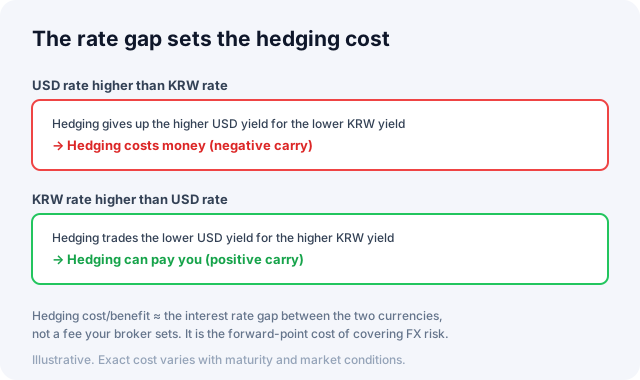
- 2026-08-09Currency Hedging Explained: (H) vs (UH) ETFs, and the CostHow hedged ETFs remove exchange-rate swings, why hedging cost is not a fee, its link to interest rate gaps, and when to choose hedged over unhedged.
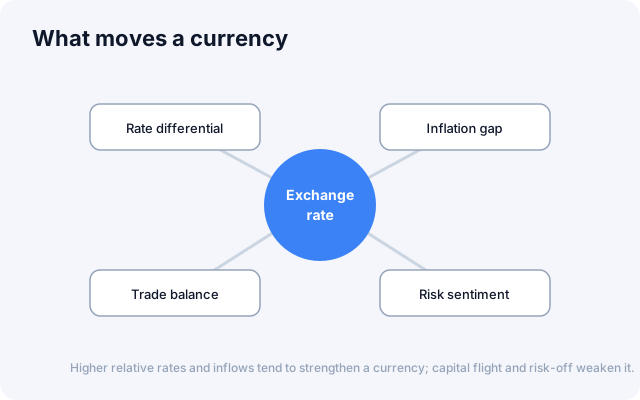
- 2026-06-21What Moves Exchange Rates: Rates, Trade and SentimentHow exchange rates are set: rate differentials, inflation, the trade balance, safe-haven demand and central banks, plus the carry trade.
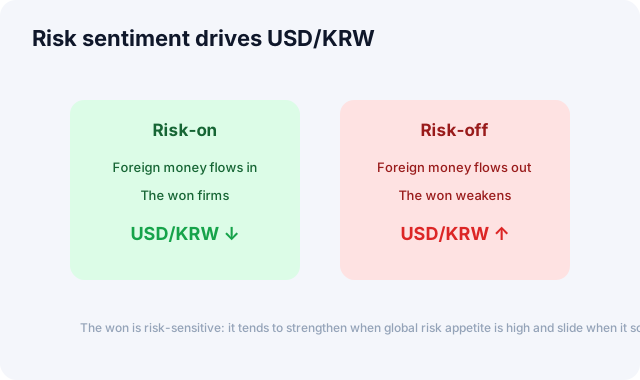
- 2026-06-14USD/KRW and Korean Stocks: What Happens When It RisesWhat the USD/KRW exchange rate means, what moves it, and how a rising rate (a weaker won) affects exporters, foreign capital flows, prices, and the KOSPI.
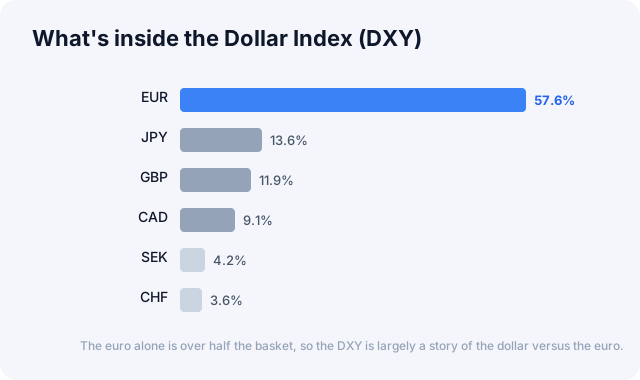
- 2026-06-12The Dollar Index (DXY): How a Strong Dollar Moves MarketsWhat the dollar index measures, what moves the dollar, and how its strength affects stocks, commodities and emerging markets.
Commodities (3)
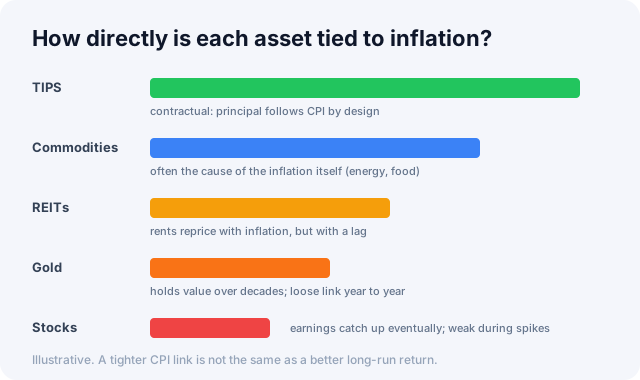
- 2026-07-19Inflation Hedges Compared: Gold, TIPS, Commodities, REITsHow gold, TIPS, commodities, REITs, and stocks each respond to inflation, what every hedge costs you, and how to combine them in one portfolio.
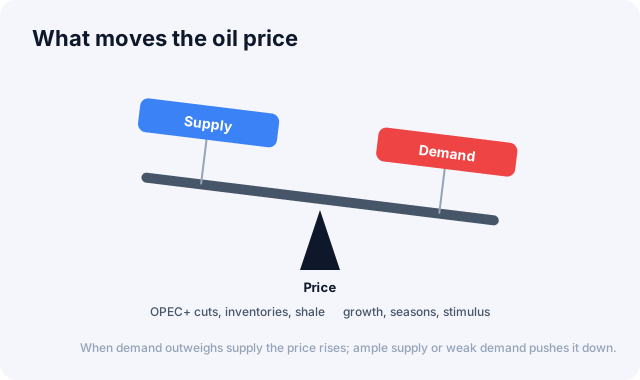
- 2026-06-17What Moves Oil Prices (WTI vs. Brent): How to Read CrudeWTI vs Brent, the key drivers of crude prices (OPEC+, inventories, the dollar, demand), and how oil feeds into inflation.
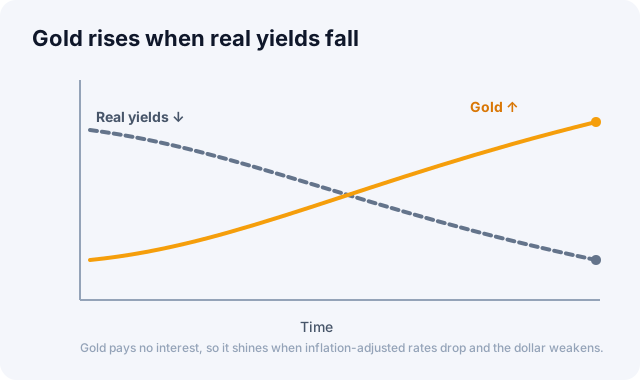
- 2026-06-14Why Is Gold a Safe Haven? The Forces That Move Its PriceWhy gold is called a safe haven, the drivers of its price (real rates, the dollar, inflation, central banks), and its limits.
Market psychology (2)
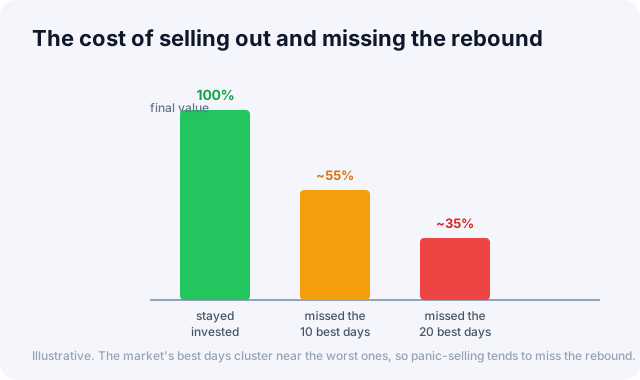
- 2026-07-16Staying Calm in a Volatile Market: Dos and Don'tsWhy corrections are normal, why panic-selling misses the rebound, how to tell a market-wide drop from a single sector, and rules that beat emotion.
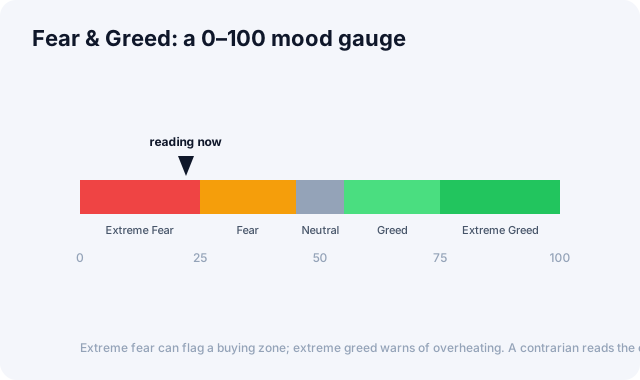
- 2026-06-11The Fear & Greed Index: Market Psychology as a NumberThe components of the CNN and crypto Fear & Greed indexes, and how to interpret and use the 0 to 100 score in practice.
Macro (10)
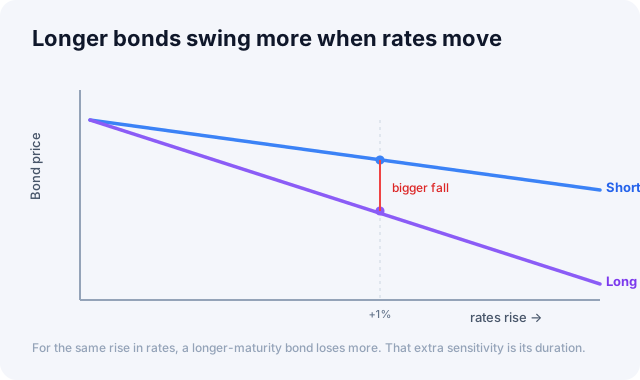
- 2026-07-15Bond Duration: Why Long Bonds Swing More When Rates MoveWhat duration measures, why a longer bond falls more when rates rise, how to read the price impact, and how to manage duration.
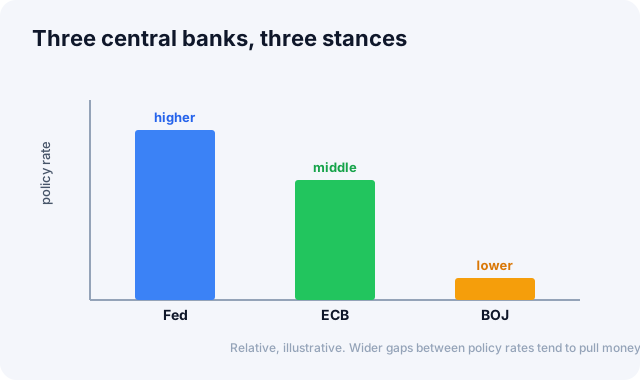
- 2026-07-14Central Banks Compared: the Fed, the ECB, and the BOJWhat each central bank targets, how their mandates differ, and why gaps between their policy rates ripple through currencies.
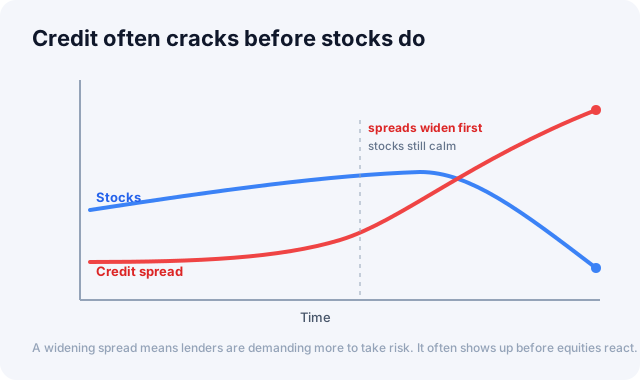
- 2026-07-12Credit Spreads and High-Yield Bonds: An Early WarningWhat a credit spread is, why widening spreads warn before stocks fall, how to read high-yield bonds and HYG, and what counts as calm versus stressed.
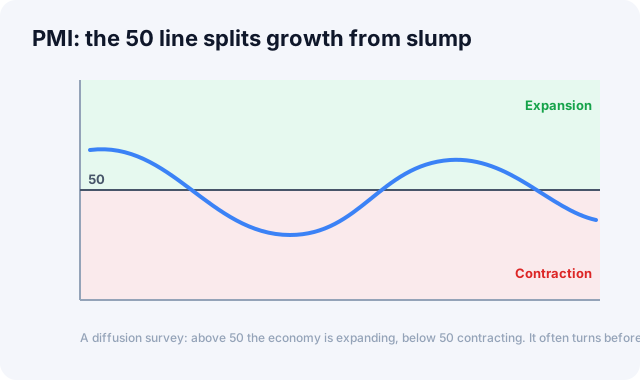
- 2026-06-21PMI and ISM: Leading Indicators That Read the Economy EarlyWhat PMI and ISM are, what the 50 line means, how to read the sub-indexes, and the signals they send to stocks and rates.
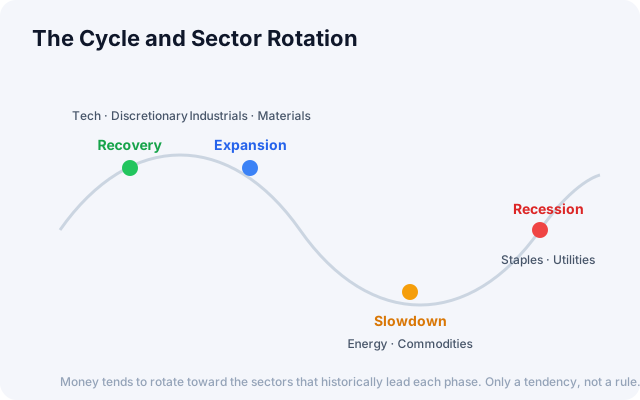
- 2026-06-20Sector Rotation and the Business Cycle: Who Leads Each PhaseThe four phases of the business cycle, the sectors that have historically led each, cyclicals vs defensives, and the limits.
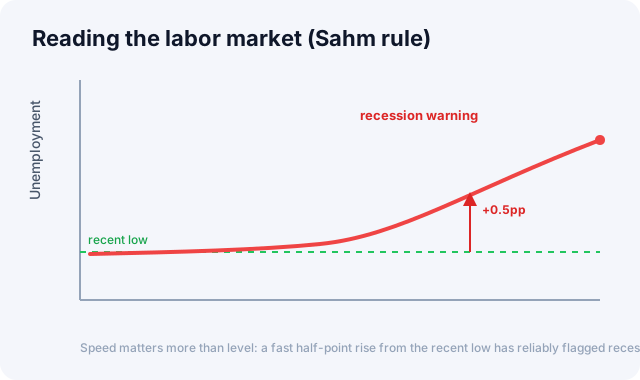
- 2026-06-15Reading Jobs Data: Payrolls, Unemployment and ClaimsWhat nonfarm payrolls, the unemployment rate and jobless claims measure, why the Fed watches them, and how to read the Sahm Rule.
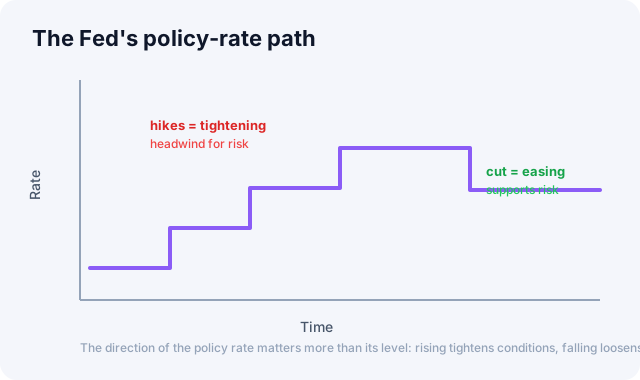
- 2026-06-13The Fed Funds Rate and FOMC: Why Rate Decisions MatterWhat the Fed's policy rate is, how the FOMC sets it, how hikes and cuts ripple into stocks, bonds and the dollar, and the dot plot.
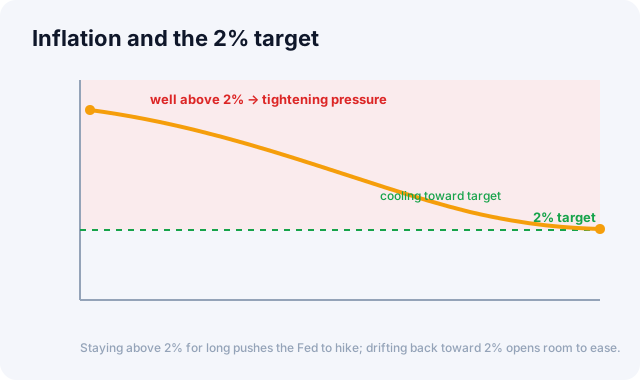
- 2026-06-13Inflation (CPI) and Investing: How Price Data Moves MarketsWhat the CPI measures, the difference between headline and core inflation, and how inflation affects stocks, bonds and real assets.
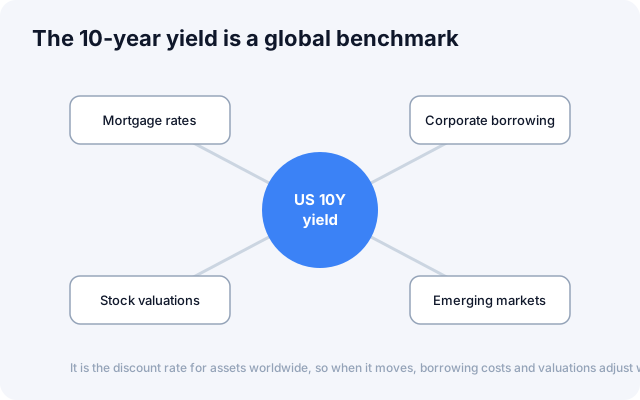
- 2026-06-12The US 10-Year Treasury Yield: The Benchmark for EverythingWhat the U.S. 10-year Treasury yield reflects, what moves it, and how it ripples into stocks, real estate, currencies, and other asset prices.
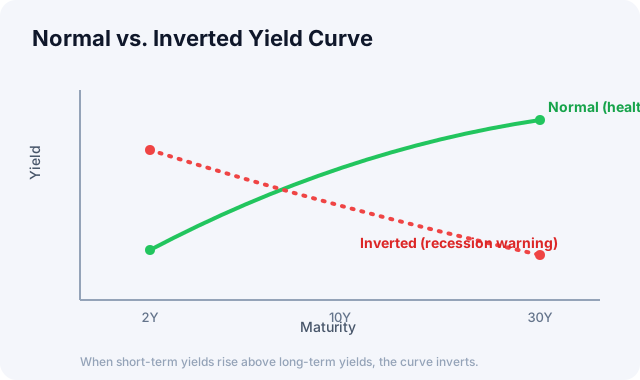
- 2026-06-09The Yield Curve (10Y-2Y) and Recessions: Reading InversionsWhat the 10-year minus 2-year Treasury spread means, why a yield-curve inversion signals recession risk, and what an un-inversion can mean.