Four times a year, listed companies report what they earned. Headlines shout "beat" or "miss," the stock lurches, and it often moves the opposite way to what the headline suggests. Once you know what the market is actually reacting to, that stops being mysterious.
The market trades the gap, not the number
A company earning record profit can still drop 10% on the day. That is because the price already reflects what everyone expected. What matters is the difference between the actual result and the expectation baked in beforehand.
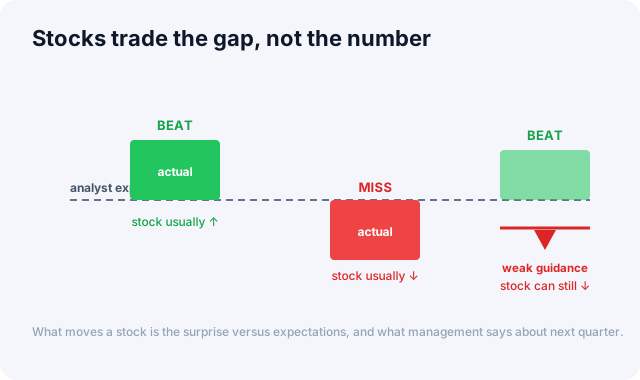
What moves a stock is the surprise versus expectations, and what management says about next quarter.
Beats, misses, and why they mislead
A beat means the result came in above the analyst consensus; a miss means below it. But consensus is a moving target, and companies have every incentive to guide expectations low enough to clear. A small beat against a lowered bar is not the same as genuine strength.
💡 Tip: Before reacting to "beat" or "miss," ask what the bar was and whether it was recently cut. Beating a bar that management lowered last month is a weaker signal than it looks.
The numbers that actually matter
EPS gets the headline, but it is the easiest number to flatter through buybacks and one-off items.
| What to read | Why it matters |
|---|---|
| Revenue growth | Hard to fake; shows real demand |
| Margins | Whether growth is profitable or bought |
| Guidance | The company's own view of next quarter |
| Cash flow | Whether profit turns into actual cash |
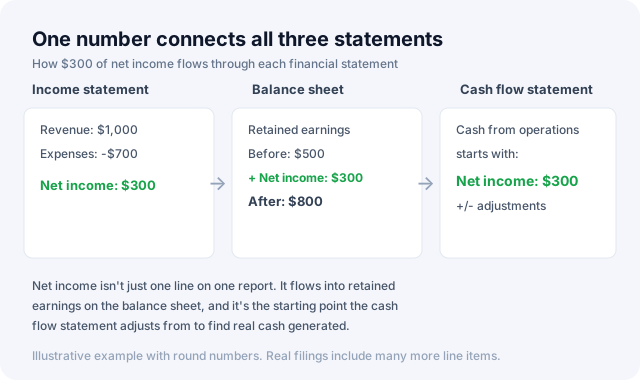
Revenue and margins together tell you whether the business is growing and whether that growth pays. Cash flow tells you whether the accounting profit is real.
Guidance is the main event
Markets are forward-looking, so the outlook usually matters more than the quarter that just ended. This is why a company can beat on both revenue and EPS, cut its forecast for next quarter, and still sell off hard. The past quarter is settled; the guidance is what changes the model.
⚠️ Caution: Never buy or sell on the headline number alone in the first minutes after a release. The initial move often reverses once the market reads the guidance and the details underneath it.
Valuation sets the hurdle
The same result lands very differently depending on how expensive the stock already is. A high multiple means a lot of good news is already priced in, so the company must not just do well, it must do better than a demanding assumption. The guide on PER and PBR covers how to read that hurdle.
What to watch
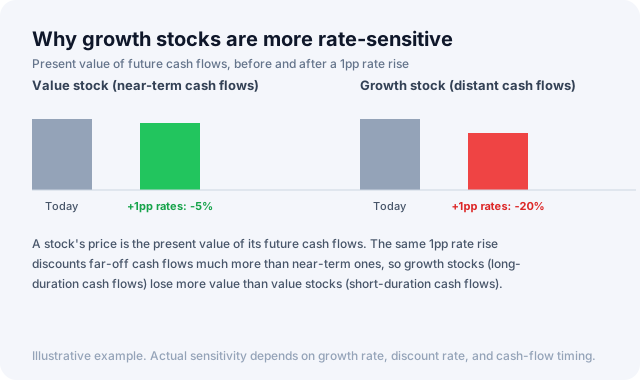
Earnings season lands inside a bigger backdrop of rates and sentiment. When the 10-year yield is rising, the market is stingier about paying up for future growth, so the same guidance gets punished harder.
The Global Market Dashboard shows the economic calendar, sector performance, and the Fear & Greed Index, which together tell you what mood the results are landing in.
Further reading
For learning to read the statements themselves, Karen Berman and Joe Knight's Financial Intelligence is a genuinely readable introduction for non-accountants.
Primary source: EDGAR filings, SEC
This article is for informational purposes only and is not investment advice.